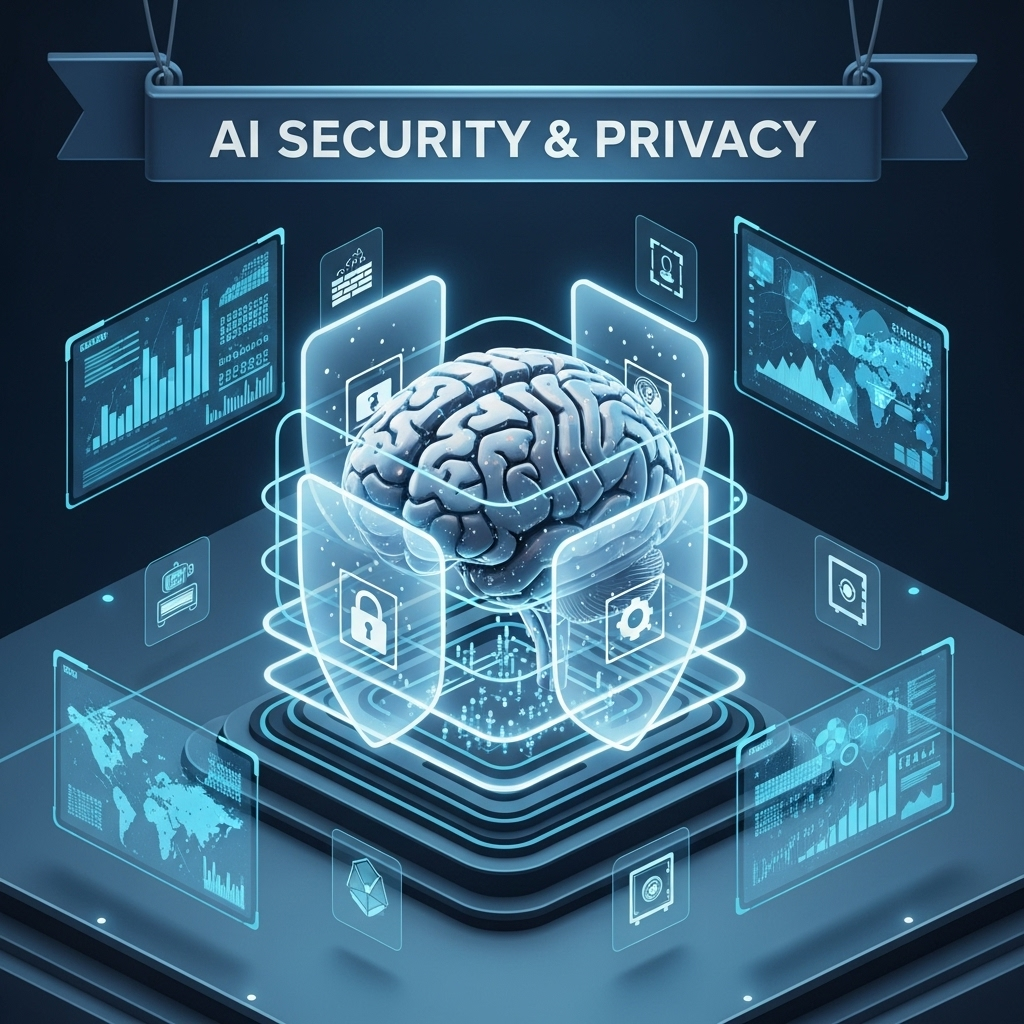
AI is transforming the cybersecurity landscape, enabling faster threat detection, predictive analysis, and automated defense responses. As cyberattacks grow more sophisticated, organizations are turning to intelligent systems to safeguard sensitive data and stay ahead of emerging risks.
The Growing Threat Paradox
As artificial intelligence advances, so does the sophistication of cyberattacks. Hackers are now leveraging AI to bypass traditional security measures, automate phishing campaigns, and exploit system vulnerabilities faster than ever. From ransomware targeting global corporations to AI-powered malware that adapts in real time, the stakes have never been higher.
But AI isn’t just a threat—it’s also a powerful tool for protection. Modern cybersecurity platforms integrate machine learning, anomaly detection, and predictive analytics to identify threats before they cause damage.
For instance, Darktrace uses AI to monitor network traffic, spotting unusual behavior that may indicate a breach. Similarly, tools like CrowdStrike and Microsoft Defender leverage AI to detect zero-day exploits and respond instantly. By continuously learning from new data, AI systems adapt faster than conventional security protocols, making them invaluable in defending against increasingly intelligent attacks.
A 2024 report by Cybersecurity Ventures predicts that AI-driven cybercrime could cost the global economy over $15 trillion annually by 2030. The rise of AI means both attackers and defenders are racing to outsmart each other in a rapidly evolving digital ecosystem.
Protecting people and businesses
Companies face unique challenges as remote work, cloud computing, and IoT adoption expand. AI-powered cyber defenses allow IT teams to automate threat detection, manage endpoints, and secure sensitive data with minimal human intervention.
Entrepreneurs emphasize that proactive cybersecurity isn’t optional. Hugo Shiraishi, CTO at CyberAI Labs, notes: “Organizations that integrate AI into their security strategy not only reduce risk but also gain operational efficiency, letting teams focus on strategic initiatives instead of manual monitoring.”
Real-world examples include financial institutions using AI to flag fraudulent transactions within milliseconds, or healthcare providers safeguarding patient records against ransomware attacks. The strategic impact is clear: AI allows faster detection, smarter response, and stronger compliance across industries.
Individuals aren’t also immune. AI-enhanced phishing, deepfakes, and identity theft pose growing risks to personal data. Simple habits can also dramatically reduce exposure. Smartphone apps like Bitdefender Mobile Security and Norton 360 with AI Protection are examples of tools that help consumers defend against evolving threats.
The Future of AI in Cybersecurity
The next frontier is predictive and autonomous defense. AI will increasingly anticipate attacks, simulate threat scenarios, and recommend preventive measures before breaches occur. Some experts even predict autonomous cyber defense agents that operate continuously without human intervention.
However, this technological arms race raises ethical questions. How do we balance automated defense with privacy? What safeguards prevent AI systems from being exploited themselves? These are challenges industry leaders are actively addressing by:
- Staying informed: Cyber threats evolve rapidly; continuous education is key.
- Invest in AI-driven security: Automation reduces response times and strengthens protection.
- Prioritize privacy: Limit data sharing, encrypt sensitive information, and monitor digital footprints.
- Test and audit systems regularly: Simulated attacks help uncover vulnerabilities before they are exploited.
Combining human vigilance with AI capabilities ensures a balanced, resilient cybersecurity strategy for today’s digital world.
Staying Ahead in an AI-Driven World
AI is both a challenge and a solution in cybersecurity. The same technologies that enable sophisticated attacks can also defend against them. Businesses and individuals must adopt a proactive mindset, leveraging AI tools while cultivating secure habits.
In an era where digital assets are central to daily life and commerce, cybersecurity isn’t optional—it’s essential. By understanding threats, using AI strategically, and prioritizing education, everyone can thrive in an increasingly intelligent digital landscape.
Keywords: AI cybersecurity, AI-driven security tools, cybersecurity threats 2025, AI malware defense, digital protection strategies, personal cybersecurity, enterprise AI security, threat detection AI, cybersecurity best practices, future of cybersecurity.