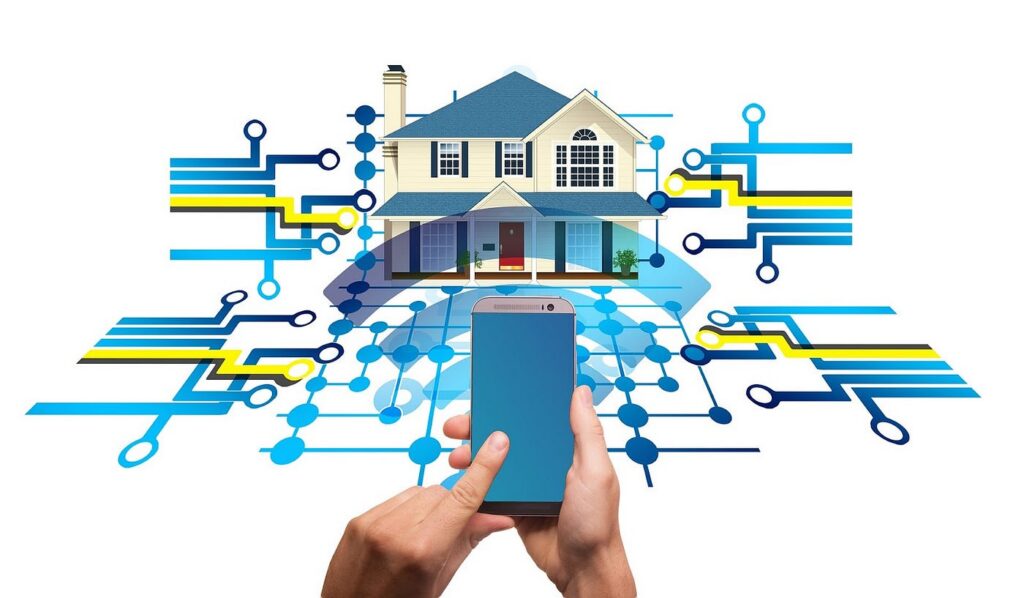
Get inside smart homes, from connected devices and user convenience to privacy concerns and expert insights. Is fully automated living ready for mainstream adoption?
Welcome to the Smart Home Era
Smart homes are no longer a futuristic concept—they are rapidly becoming part of daily life. From smart thermostats adjusting temperatures automatically to voice assistants controlling lighting, entertainment, and security, connected devices promise a level of convenience previously imagined only in science fiction.
Yet, as these devices proliferate, questions arise. Are we truly ready for fully automated living? While the convenience is undeniable, concerns around privacy, security, and user adoption persist. For homeowners, tech enthusiasts, and everyday users, the smart home revolution presents both opportunities and challenges.
Everyday Convenience: How Smart Homes Simplify Life
For many users, the appeal of smart homes lies in convenience. People report being able to adjust thermostats, dim lights, and even start coffee makers remotely, giving the impression that their homes anticipate their needs. Smart lighting systems adapt automatically to daily routines, while voice assistants enable hands-free control of entertainment and appliances. Families benefit from connected security cameras and smart locks, receiving real-time updates that provide peace of mind whether at home, at work, or traveling.
From energy savings to time management, the practical benefits of home automation are tangible. Smart thermostats can reduce heating and cooling costs by learning occupancy patterns, while integrated irrigation systems maintain gardens efficiently with minimal effort. Suppliers and manufacturers emphasize that these devices are designed to make life easier, save energy, and improve security, making fully automated living increasingly accessible.
Privacy Concerns: Who’s Watching?
Despite convenience, privacy remains a major concern. Every connected device collects data—about usage, schedules, and personal preferences. While companies encrypt and anonymize this data, reports of hacking incidents and unauthorized surveillance have made users cautious.
Cybersecurity experts warn that smart homes are only as secure as the networks they are connected to. A weak Wi-Fi password or outdated firmware can give hackers access to cameras, door locks, and personal information. Users are also concerned about how much data tech companies gather. From voice commands recorded by virtual assistants to motion detection logs from security cameras, the smart home ecosystem raises questions about who has access to this information and how it is used.
Manufacturers are responding with stronger encryption, two-factor authentication, and transparency in privacy policies. Still, experts advise homeowners to remain vigilant and actively manage device permissions and security settings.
Adoption and Real-World Experiences
Adoption rates vary depending on lifestyle and comfort with technology. Young professionals often embrace automation for convenience and efficiency, while families value security and energy-saving features. Fitness enthusiasts appreciate integration with smart mirrors, connected exercise equipment, and voice-activated scheduling.
Industry insiders note that most users start with one or two devices, like smart lighting or thermostats, and gradually expand. Once they experience the convenience firsthand, adoption tends to accelerate. Some users, however, report frustration with interoperability. Devices from different brands sometimes fail to communicate seamlessly, requiring multiple apps or manual adjustments. Suppliers are increasingly focusing on cross-platform compatibility and intuitive interfaces to improve user experience.
The Strategic Impact: Energy, Security, and Lifestyle
Beyond convenience, smart homes offer strategic benefits. Automated lighting and climate control reduce energy consumption, lowering bills and supporting sustainability. Integrated security systems enhance safety, allowing homeowners to respond proactively to potential threats.
For lifestyle management, smart homes help organize routines, from scheduling appliances to controlling media environments. Experts agree that the strategic integration of these devices not only improves convenience but also influences overall well-being and productivity. Vendors emphasize that the future of smart homes lies in scalable ecosystems, where devices communicate seamlessly, creating intelligent environments tailored to individual lifestyles.
Are We Ready for Fully Automated Living?
The question is not whether smart homes are technologically possible—they clearly are—but whether society is ready for fully automated living. Many users enjoy partial automation and appreciate the convenience, yet privacy concerns, device reliability, and interoperability remain barriers.
Industry specialists believe adoption will grow as devices become more intuitive, secure, and interoperable. Real-world experiences highlight both the enthusiasm for automation and caution around data privacy. Experts agree: the technology is ready, and infrastructure and user confidence are gradually catching up.
Transition to fully automated homes will likely be gradual, starting with convenience-focused devices and expanding into integrated ecosystems that manage energy, security, health, and lifestyle seamlessly.
Embracing the Smart Home Future
Smart homes are reshaping how we live, work, and manage daily routines. With real-time convenience, energy savings, and enhanced security, connected devices are making living spaces more intelligent and responsive than ever before. Yet, adoption comes with responsibility: privacy awareness, cybersecurity vigilance, and careful integration are critical.
As technology advances, fully automated living becomes increasingly attainable, offering a future where homes anticipate needs, adapt to lifestyles, and optimize efficiency. For users willing to embrace these systems thoughtfully, the smart home revolution represents a blend of convenience, strategy, and innovation that could redefine modern living.
Keywords: smart homes, home automation, IoT devices, smart home security, automated living, smart lighting, connected home devices, voice assistants, smart home privacy, home technology trends